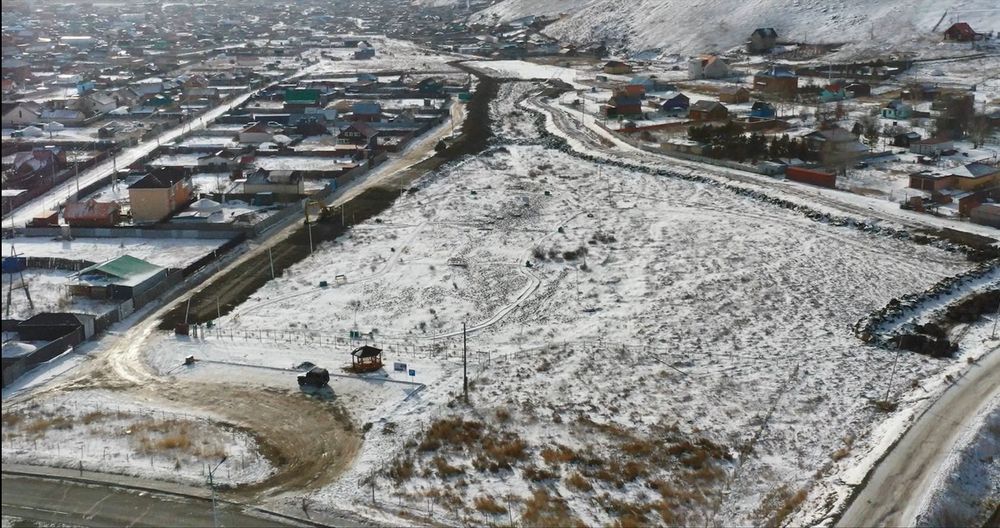
In a significant boost to urban resilience, the “Ger Community Resilience” project, implemented by UN-Habitat and facilitated by WVIM, has delivered critical flood protection infrastructure in Ulaanbaatar’s most flood-prone districts. These interventions are transforming the safety and quality of life for over 8,500 residents across Songinokhairkhan and Sukhbaatar districts, underscoring the importance of targeted, community-focused initiatives in building sustainable urban environments.
Two newly constructed reservoirs in the Tolgoit River basin, Songinokhairkhan District, now safeguard 5,350 residents, reducing flood risks while enhancing environmental safety in the area. Concurrently, in Sukhbaatar District’s Gunjiin Bulag area, a 15,557m² ice harvesting facility protects 3,200 residents from seasonal flooding, showcasing an innovative approach to addressing climate-driven challenges.

Beyond infrastructure, the project emphasizes strengthening household resilience and fostering environmental stewardship. These efforts not only mitigate immediate flood risks but also provide long-term security for the most vulnerable communities. WVIM’s role as a facilitator was pivotal in mobilizing resources, engaging stakeholders, and ensuring the infrastructure directly addresses community needs.
This initiative highlights the critical link between disaster preparedness and sustainable development, positioning WVIM and its partners as leaders in creating safer, more resilient urban spaces for Mongolia’s future.